
Audit Shopify app costs by defining one complete workflow, listing its required features and users, then calculating subscriptions, usage, connector costs and maintenance under the same workload. Compare quiet, normal and peak scenarios. Check feature gates and seat fees explicitly, because the cheapest advertised plan may not support the task your team actually needs to complete.
Key takeaways
- Price the completed workflow rather than isolated subscriptions.
- Translate the same workload into each provider’s billing units.
- Check required features and colleagues before choosing a tier.
A store can accumulate several affordable apps and end up with a costly process. The total may include usage charges, extra seats, a higher tier for one required feature and another subscription to connect the tools. The useful comparison is the cost of completing the task, not the lowest price printed on each landing page.
Choose a real workflow to audit, such as handling WhatsApp support or sending review invitations. List the capabilities it requires and the people who need access. That gives the pricing exercise a practical scope.
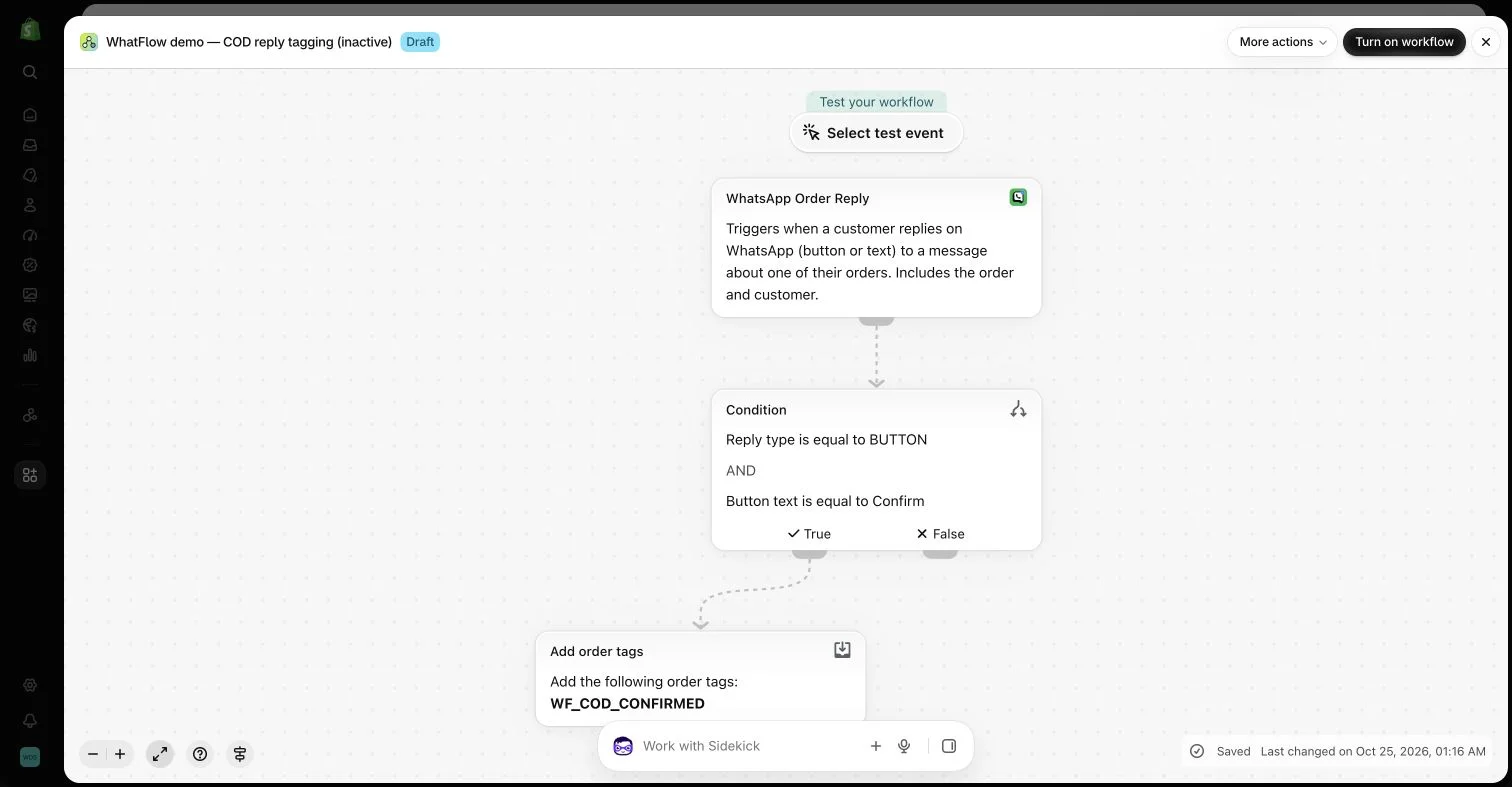
Define the minimum working setup
Write down the events, actions, data and team access needed for the workflow. A plan is not sufficient merely because it includes a feature with a similar name. Check whether the required trigger, message type or integration is available in that specific tier.
Separate current needs from optional future ideas. Paying for an unused advanced tier can be wasteful, but selecting a cheaper plan that cannot perform the core task is not a saving. Keep the distinction visible in the comparison.
Count usage on the same basis
Providers can charge by contacts, messages, events, active users or another unit. Translate the store’s workload into each model before comparing totals. A “message” allowance may not be directly comparable to a contact allowance, especially when follow-ups create several sends per customer.
Use a normal, quiet and peak scenario. Include reminders, split shipments and other conditions that affect volume. Make the assumptions explicit so the team can update the model when the business changes instead of treating one month’s estimate as a permanent forecast.